


Quick Summary
To choose aed replacement pads, first confirm your exact AED model, since pads are not universal and each model uses its own connector or cartridge. Then match the pad type to the patient: adult pads for those not under 8 years or 55 lbs, and pediatric pads for children under 8 years or under 55 lbs.
- Check the exact AED model on the device body and confirm the manufacturer lists the pads as compatible.
- Adult and pediatric pads are not interchangeable, so match the pad to the patient's size.
- Pediatric pads suit children under 8 years old or under 55 lbs.
- Check the age and weight limit printed on the package before installing.
- Record expiry dates on your maintenance log and replace opened or removed pads.
Table of Contents
- Matching Your AED Model to the Right Pads
- Adult Pads Versus Pediatric Pads: Choosing by Patient Size
- Checking Expiry Dates and Placing Pads Correctly
- Frequently Asked Questions
Matching Your AED Model to the Right Pads
Pads are not universal. Each AED model uses its own connector, cartridge or cable, so confirm the exact model on the device body and check that the aed replacement pads are listed as compatible by the manufacturer. For example, Philips OnSite Adult Smart Pads fit the OnSite CO1, OnSite RO1 and HeartStart In-home Defibrillator.
Compatibility also covers the battery and pad pairing: some AEDs use a single cartridge combining battery and pediatric electrodes, so replacing only one part may not be possible.
Adult Pads Versus Pediatric Pads: Choosing by Patient Size
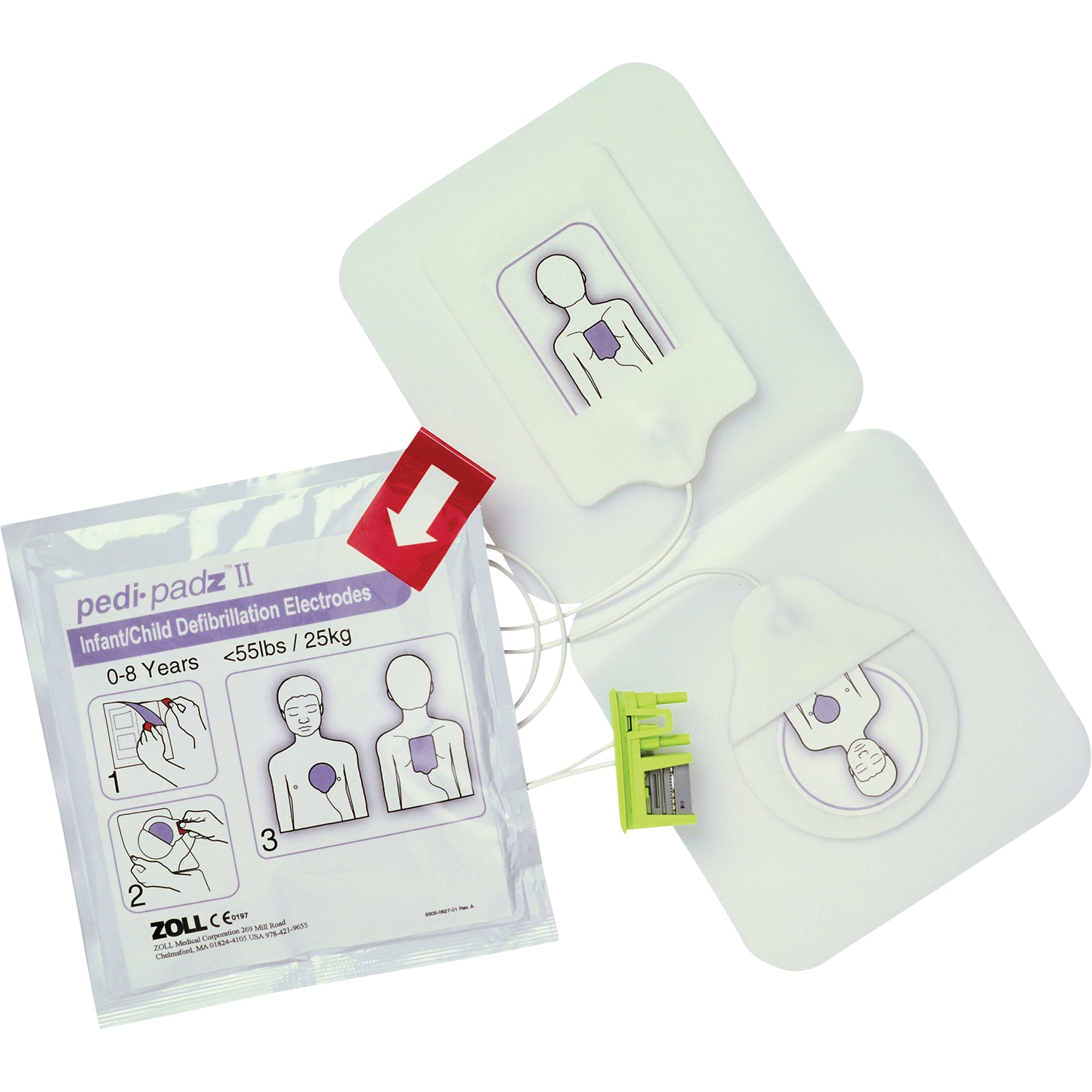
Adult and pediatric pads are not interchangeable. Pediatric pads suit children under 8 years old or under 55 lbs; the Zoll Pedi-Padz II electrodes, for instance, switch the AED Plus to a pediatric ECG algorithm when connected. Adult pads should not be used on a child when pediatric pads are available, because the device's pediatric settings depend on the pads connected.
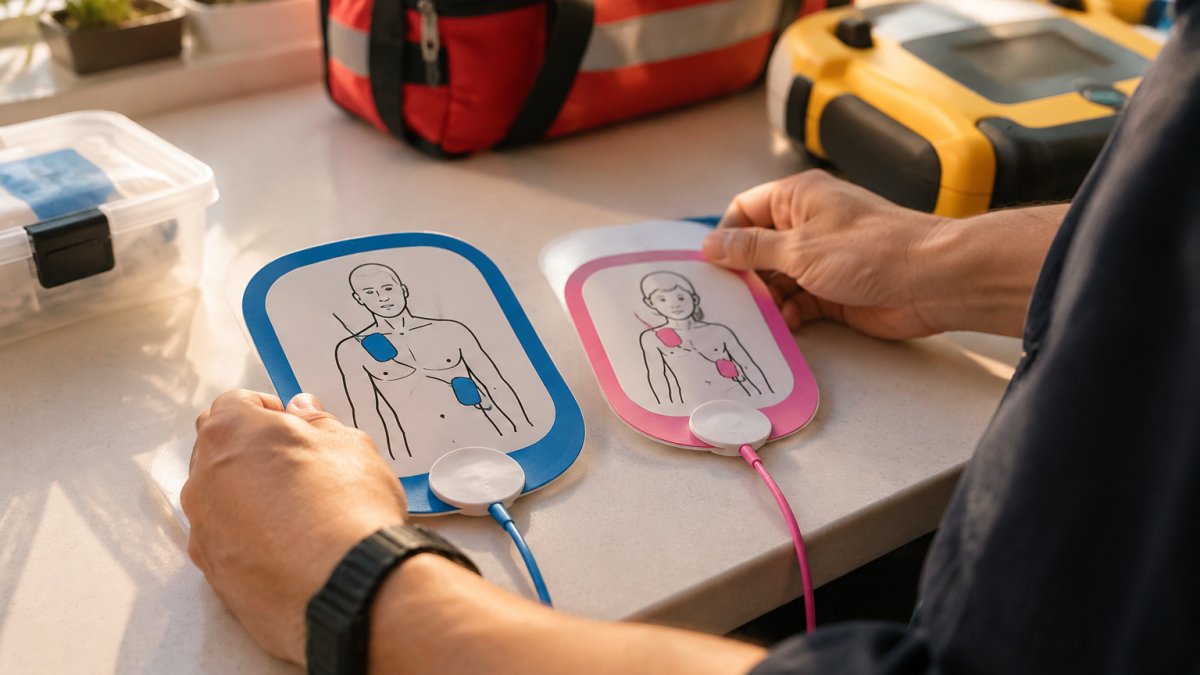
If your site serves both adults and children, stock both types or confirm your AED has a pediatric option, such as the Philips OnSite Infant/Child Cartridge Electrodes or the samaritan AED Pediatric-Pak. Check the age and weight limit printed on the package before installing. For child-size pads for a samaritan AED, see the samaritan AED Pediatric-Pak and its matching battery and pads.
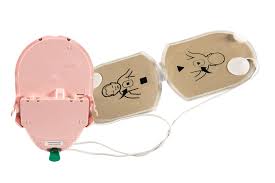
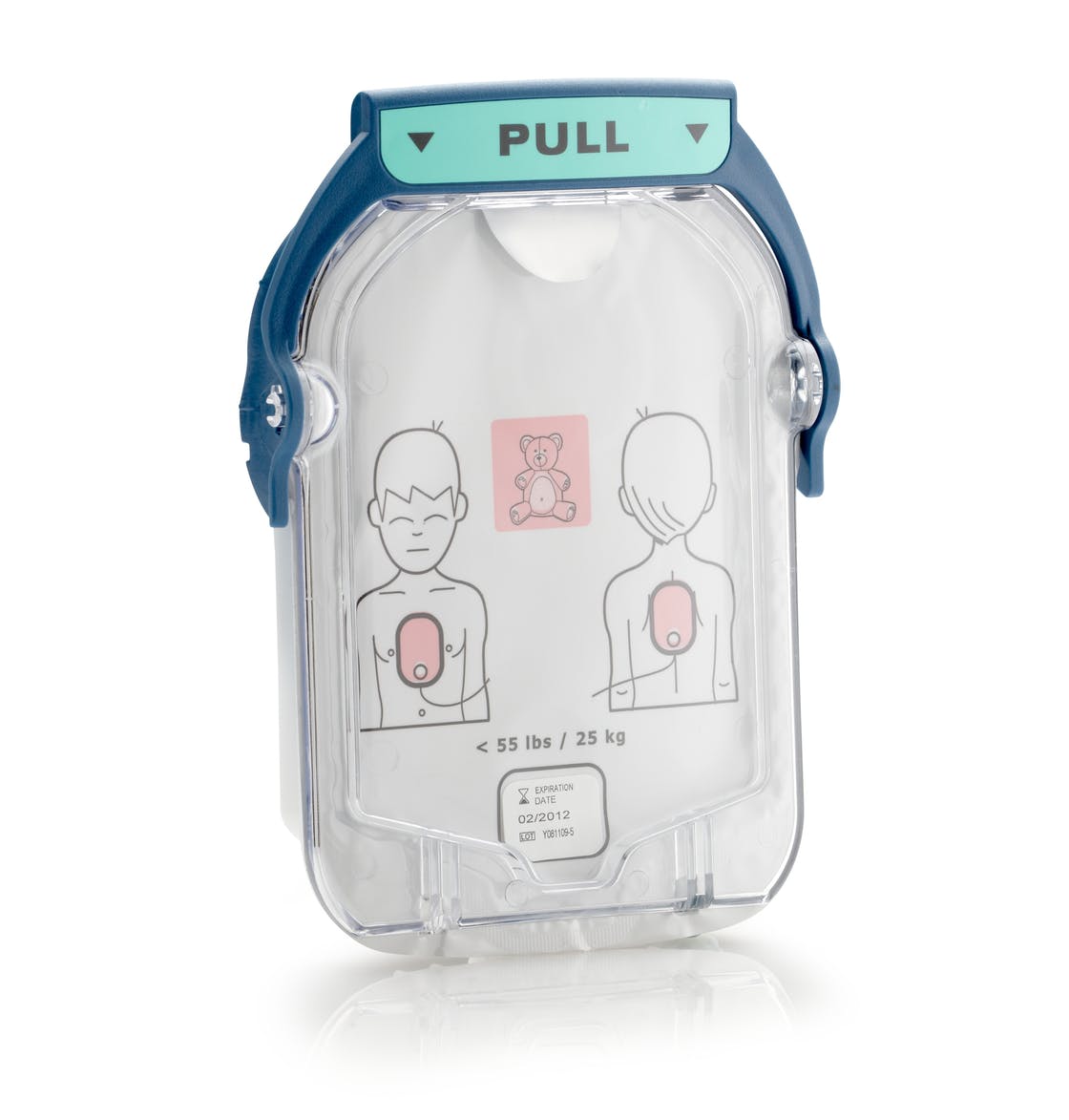
Label pediatric pad storage clearly so the right pad is not mistaken for an adult pad in an emergency.
The article distinguishes adult and pediatric pads by the patient they suit, as summarised below.
| Pad type | Suited to | Example from the article |
|---|---|---|
| Adult pads | Patients not under 8 years or 55 lbs | Philips OnSite Adult Smart Pads |
| Pediatric pads | Children under 8 years or under 55 lbs | Zoll Pedi-Padz II electrodes |
| Infant/child cartridge | Pediatric option on a Philips AED | Philips OnSite Infant/Child Cartridge Electrodes |
| Pediatric-Pak | Pediatric option on a samaritan AED | samaritan AED Pediatric-Pak |
Checking Expiry Dates and Placing Pads Correctly
Every pad has a shelf life. Record the expiry date on your maintenance log, check it at a set interval, and replace any aed replacement pads that have been opened or removed from their packaging.
Placement must follow the device instructions exactly.
Next step: If you are unsure which pads fit your AED, bring the model number to the Servoxy team before you order. Browse our Philips Onsite Adult Smart Pads for adult replacements, or review the Pedi-Padz II Electrodes for the Zoll AED Plus if your site serves children.
Frequently Asked Questions
How do I know which replacement pads fit my AED?
Start with the exact make and model number printed on your AED, then check the manufacturer's compatibility list for pads and cartridges that match it. Pads from one brand often will not connect to another brand's device, and some models use a combined pad and battery cartridge rather than separate pads. If you cannot confirm compatibility from the manufacturer's documentation, do not assume a match. Contact your supplier with the model number before ordering, and keep a written record of the part numbers you purchase for your program.
Can adult AED pads be used on a child?
Adult pads should not be used on children when pediatric pads are available. Pediatric pads are designed for children under 8 years old or under 55 pounds (25 kg), and the device switches to a pediatric energy setting when they are connected. Some manufacturers allow a pediatric key or mode on certain AEDs, but this depends on the model. Follow the device's own instructions, and if pediatric pads are unavailable, ask your medical oversight provider what to do.
Do AED pads expire, and how often should they be replaced?
Yes. AED pads have a printed expiry date, and the shelf life is printed on the pad packaging and varies by product. Pads must be replaced on or before that date, and immediately after any use, even if they were not fully applied. Check expiry dates at every routine inspection and record them in a maintenance log so that replacements are ordered before stock runs out. Expired pads can lose adhesion and conductivity, which may affect the device's ability to deliver a shock.
