


Last Updated: November 14, 2026
Quick Summary
The best supplier for trauma equipment proves licensing, documents compliance, and supports the gear after the sale. Servoxy holds Health Canada MDEL 2166 and covers bleeding control, airway, oxygen, spinal immobilization, splinting, suction, and defibrillation, with restocking of individual components.
- Verify a supplier's Medical Device Establishment Licence number through Health Canada's public listing before ordering.
- A bleeding control kit needs a windlass tourniquet, sterile dressings, gloves, shears, tape, and safe disposal.
- Check kit contents monthly and review expiry dates quarterly, with immediate restock after any use.
- A cervical collar limits movement but does not eliminate all neck movement, so follow local protocols.
- Plan AED pads and batteries into the same maintenance calendar as your kit restock.
Table of Contents
- What Makes a Supplier Suitable for Specialized Trauma Equipment
- Comparing Specialist Suppliers of Emergency Medical Supplies
- Choosing a Trauma Kit by Responder Role and Setting
- Bleeding Control and Tourniquets: The Non-Negotiable Core
- Airway Management, Ventilation, and Oxygen Support
- Splinting, Immobilization, and Spinal Precautions
- CPR, Resuscitation, and Defibrillation Supplies
- Trauma Bags and Medic Bags: Getting the Container Right
- Training, Maintenance, and Restocking
- Total Cost and Purchasing Considerations
- Frequently Asked Questions
What Makes a Supplier Suitable for Specialized Trauma Equipment
The right supplier for trauma equipment proves licensing, documents compliance, and stands behind the gear after the sale. Suitability comes down to evidence, not sales language.
Trauma equipment is portable medical gear used to stabilize a seriously injured patient before hospital care: bleeding control, airway and ventilation devices, oxygen delivery, spinal immobilization, splints, suction, and defibrillators.
Check five things: Health Canada licensing (Servoxy holds MDEL #2166, verifiable through Health Canada's Medical Devices Active Licence Listing); CSA Z1220-17 alignment for workplace kits; traceable product identity with genuine brands and lot information; restocking of individual components; and documentation on request. Our guide on Health Canada licensed medical equipment walks through the MDALL lookup step by step.
Comparing Specialist Suppliers of Emergency Medical Supplies
Specialist suppliers of emergency medical supplies fall into three broad types, and each suits a different buyer.
| Supplier Type | Typical Strength | Typical Weakness | Best For |
|---|---|---|---|
| Specialist trauma supplier | Deep trauma range, licensing documentation, restocking | Narrower catalog outside trauma | EMS, fire, tactical medics |
| Broad medical distributor | Wide catalog, one invoice | Trauma depth varies by branch | Clinics, mixed purchasing |
| General safety retailer | Convenient, low entry cost | Limited clinical depth, weak restock support | Small offices, basic kits |
We sit firmly in the first category, covering bleeding control, airway, oxygen, spinal immobilization, splinting, suction, and defibrillation, chosen for field use. What separates a specialist is what happens after the first order: can you buy a single replacement C-A-T tourniquet in six months, get a femoral traction kit that fits your bag, or confirm a device's licence status before an audit? Our article on choosing a CSA Z1220 first aid kit supplier sets out the criteria we would use ourselves.
Choosing a Trauma Kit by Responder Role and Setting
Selection should start with the responder and setting, not the product list.
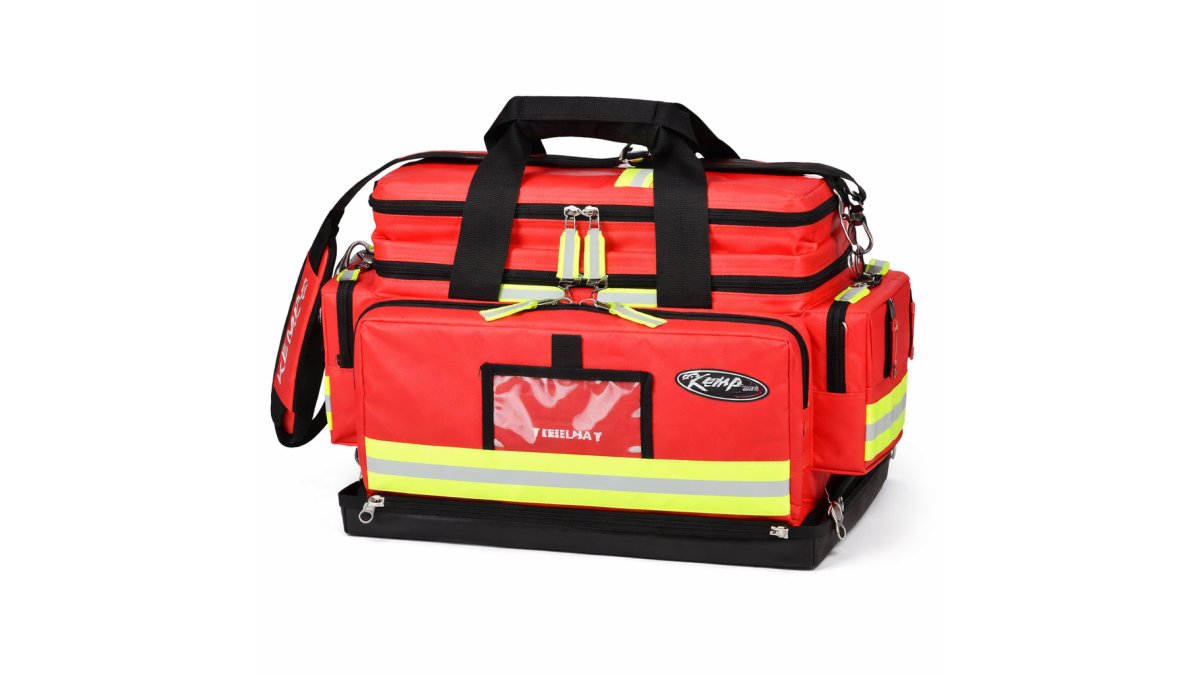
For EMS and paramedics: prioritize bleeding control, airway, ventilation, oxygen, and immobilization; the Kemp Tarpaulin Fluid-Resistant Large Professional Trauma Bag is built for heavy daily use. For first responders and tactical medics: our trauma deluxe first aid kit for first responders covers a genuine C-A-T tourniquet, sterile dressings, gloves, shears, and a biohazard bag. For special events: the special events EMT first responder trauma backpack moves with the medic and opens fast. For workplaces, fleets, and schools: a compliant, visible, well-organized kit staff can reach beats a sophisticated kit nobody can find.
| Role or Setting | Priority Capabilities | Kit Format |
|---|---|---|
| Paramedic, ambulance | Bleeding control, airway, oxygen, splinting | Large trauma bag |
| Tactical medic | Hemorrhage control, airway, chest seals | Compact IFAK-style kit |
| Workplace or fleet | Bleeding control, basic wound care | Boxed or vehicle kit |
Bleeding Control and Tourniquets: The Non-Negotiable Core
Bleeding control most often decides the outcome, and severe extremity bleeding can become life-threatening within minutes. A bleeding control kit needs a windlass tourniquet, sterile dressings, gloves, shears, tape, and safe disposal; the Servoxy Bleed Control Kit is Health Canada certified, Canadian-made, and packed in a durable polypropylene box. For a single tourniquet, the Genuine Combat Application Tourniquet (C-A-T) Gen 7 is one option: one-handed application, durable windlass, Red Tip Technology, bilateral windlass clip and buttress, writeable strap, and beveled stabilization plate.
Watch out: counterfeit tourniquets can circulate, so buy from a licensed establishment and keep lot information on file. Training matters as much as the device: a modest kit with regular training beats an expensive kit with none.
Airway Management, Ventilation, and Oxygen Support
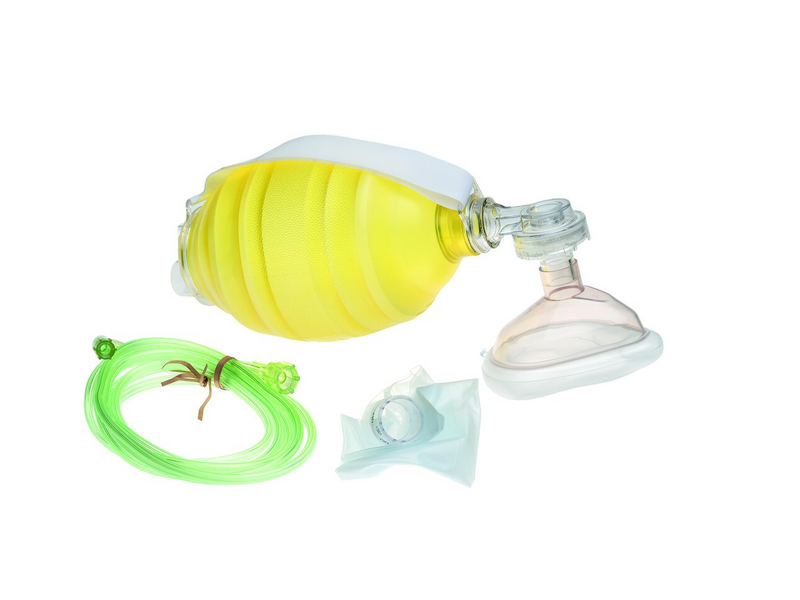
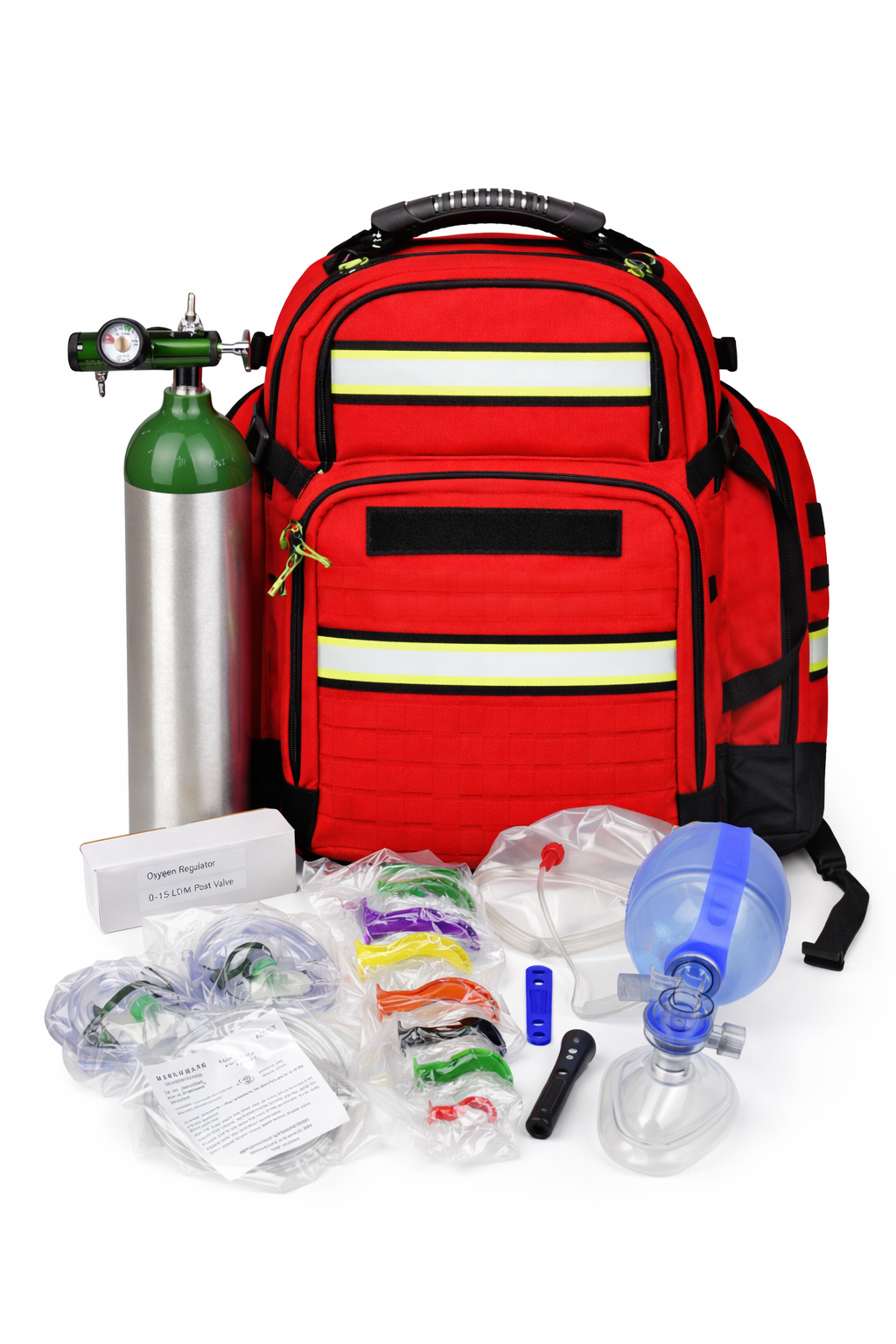
Airway and breathing problems can deteriorate quietly, and kits lacking ventilation equipment leave a gap here. The BAG II Resuscitator Adult with mask #5 is a self-inflating bag-valve-mask for total or intermittent ventilation, latex- and DEHP-free, and Health Canada licensed. The HEPA Bacterial and Viral Filter is a single-use filter with HEPA media rated up to 99.97% efficiency at 0.3 microns. The Emergency Oxygen First Responders Backpack Kit with D Cylinder packages an aluminum D cylinder, 0-15 LPM regulator, AMBU bag, masks, cannula, Berman airway kit, and wrench in a modular backpack. The Rescuer Manual Suction Pump with 3M HEPA Filter is a portable, one-hand-operated suction device with adult and child settings, overflow protection, and a 100-degree swivel.
Splinting, Immobilization, and Spinal Precautions
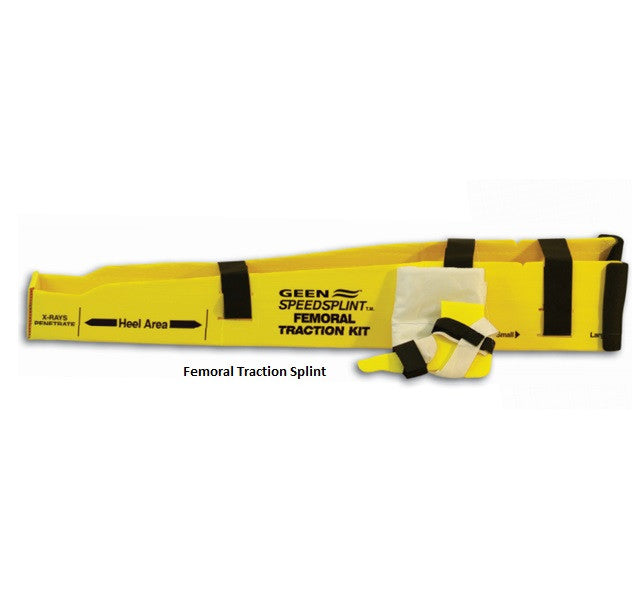
Fractures and suspected spinal injuries are common in extrication, industrial incidents, and falls, and general kits rarely cover them. The SpeedSplints Femoral Traction Kit applies controlled traction to a suspected femoral fracture to align the limb, reduce spasms, and support safer transport. The Lightning X Perfect Fit Adjustable Extrication Cervical Collar replaces four adult collar sizes with 16 adjustment positions, is radiolucent, and has large airway access openings and pulse check windows.
CPR, Resuscitation, and Defibrillation Supplies
Sudden cardiac arrest is where the gap between a stocked kit and a working response is widest. The Zoll AED Plus Automatic Defibrillator is fully automatic, with Real CPR Help providing voice and text prompts for compressions and configurable self-tests; the listing states pads and batteries last five years and a seven-year device warranty applies, excluding battery and electrodes.
Watch out: expired pads and dead batteries can prevent an AED from working when it is needed. Put electrode and battery expiry dates in the same maintenance calendar as your kit restock.
Trauma Bags and Medic Bags: Getting the Container Right
The bag decides whether the equipment inside is usable. Poor organization costs seconds at the scene, and seconds are the whole point. Three factors matter: access (the compartment you need opens without unpacking), durability (survives fluid, abrasion, and daily vehicle loading), and carry options (works walking, climbing, or in confined spaces). A well-organized bag is only one part of readiness; checking that each item is dependable and suited to the task matters just as much, a principle reflected in Grayman Trading Company’s approach to first-responder gear.
Training, Maintenance, and Restocking
A kit is a perishable asset. Supplies expire, get consumed in training, and quietly disappear, and a bag that is 90 percent stocked can be missing the one item that matters. Run a three-part routine: a contents check on a fixed schedule, an expiry review covering dressings, tourniquet packaging, AED pads and batteries, and oxygen cylinder hydrostatic status, and a restock trigger so anything opened or used is replaced before the kit returns to service.
Total Cost and Purchasing Considerations
Price per kit is the least useful number here. What matters is cost per year of readiness: the kit, replacement consumables, expiry losses, training time, and admin hours chasing components. Buying components from multiple suppliers can look cheaper on the first invoice but may add purchase orders, delivery schedules, and reconciliation work over a year.
| Product | Price (CAD) | Category |
|---|---|---|
| HEPA Bacterial and Viral Filter | $3.60 | Infection control |
| Servoxy Bleed Control Kit | $38.00 | Bleeding control |
| Zoll AED Plus Automatic Defibrillator | $2,265.00 | Defibrillation |
Price (CAD)
Prices are as listed by Servoxy in Canadian dollars; confirm current pricing and availability at ordering.
Frequently Asked Questions
What should a professional first aid bag contain?
A professional first aid bag should carry bleeding control supplies, airway and resuscitation gear, and immobilization tools matched to your role. At minimum, that means a windlass tourniquet, sterile dressings, nitrile gloves, trauma shears, adhesive tape and a biohazard bag, which is exactly what the Servoxy Bleed Control Kit bundles for $38.00. Add a bag-valve-mask and HEPA filter for airway work, and a cervical collar if you handle extrication. Check contents against your workplace or provincial requirements before you buy.
What is the difference between a first aid bag and a trauma kit?
A first aid bag is the carrier, while a trauma kit is the set of supplies inside it. The Kemp Tarpaulin Trauma Bag at $390.00 is a durable, fluid-resistant carrier with adjustable dividers and a pull-out kneeling pad. A trauma kit such as the Servoxy Bleed Control Kit focuses on life-threatening bleeding and shock rather than everyday cuts and scrapes. Many responders pair a rugged bag with modular kits sized to fit its compartments.
How do I verify a supplier's trauma equipment is compliant?
Ask for the licence number and the documentation behind any compliance claim. Servoxy is licensed by Health Canada as a Medical Device Establishment, MDEL #2166, and its Bleed Control Kit is Health Canada certified and made in Canada. For workplace kits, confirm the contents meet the CSA Z1220-17 requirements that apply to your workplace, and keep the supplier's documentation on file for inspections.
