


Quick Summary
Professional trauma kits are worth the investment for teams that have trained responders and face severe bleeding risks, since they include tourniquets, hemostatic gauze and pressure dressings that basic first aid kits lack. Their value depends on training, organization and durability for the site, because an untrained or unprepared team cannot use them well.
- Professional trauma kits include tourniquets, pressure dressings and hemostatic gauze for severe bleeding.
- Standard first aid kits are built for minor injuries and usually lack bleeding-control supplies.
- A tourniquet must be applied high and tight and left in place until medical handoff.
- Only trained responders should use the kit, since a loose tourniquet can worsen bleeding.
- Choose a case rated for your site's wet, dusty, hot or cold conditions, and keep it within reach.
Table of Contents
- Benefit 1: Built for Severe Bleeding, Not Just Minor Injuries
- Benefit 2: Professional Contents You Can Actually Use Under Pressure
- Benefit 3: Durability and Field Readiness for Remote Worksites
- Keeping a Trauma Kit Ready: Inspection and Restocking
- Choosing the Right Professional Kit for Your Site
- Frequently Asked Questions
Trauma kit vs first aid kit: what actually differs for professional trauma kits
Understanding the difference between first aid kits and trauma kits can help you decide what your operation needs.
The contents of first aid and trauma kits can differ. Trauma supplies may include tourniquets, pressure dressings, and hemostatic gauze.
Here is how the two compare in practice:
| Feature | Standard First Aid Kit | Professional Trauma Kit |
|---|---|---|
| Primary purpose | Minor injuries | Life-threatening injuries |
| Bleeding control | Basic bandages | Tourniquets, hemostatic gauze, pressure dressings |
| Chest injury care | Rarely included | Vented chest seals |
| Typical user | Any staff member | Trained responders |
| Best setting | Offices, classrooms | Industrial sites, fleets, remote worksites |
Watch out: a trauma kit is only as useful as the people trained to use it. A tourniquet left sealed in a cabinet does nothing during a severe bleed.
Benefit 1: Built for Severe Bleeding, Not Just Minor Injuries
Professional trauma kits can include supplies for bleeding control.
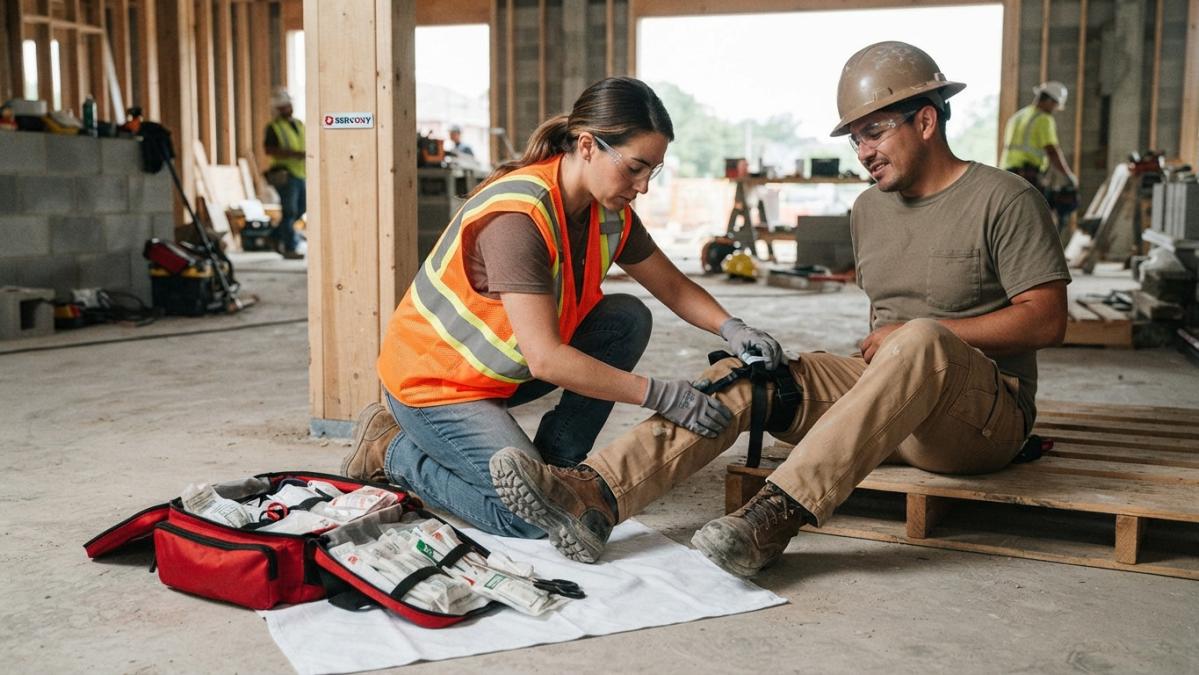
Servoxy's Bleed Control Kit, priced at $38.00 CAD, includes a Windlass Tourniquet, sterile combine pads, trauma shears, and biohazard disposal materials in a polypropylene box. The LXPB15-SKP Premium Trauma IFAK Kit, priced at $295.00 CAD, includes hemorrhage control and breathing management supplies.

Tourniquets, pressure dressings and hemostatic gauze
A tourniquet, pressure dressing, and hemostatic gauze are examples of bleeding-control supplies. QuikClot Advanced Clotting Gauze 3″ x 24″ is listed at $46.00 CAD.

The Genuine Combat Application Tourniquet (C-A-T) is listed at $81.50 CAD. Consider training needs when selecting equipment.

Benefit 2: Professional Contents You Can Actually Use Under Pressure
Kit organization and user training are considerations when selecting professional trauma equipment.
Training and scope of practice
Training is a consideration when selecting a professional-grade trauma kit.
- Tourniquets should be applied high and tight on a limb, tightened until bleeding stops, and left in place until medical handoff. A loose tourniquet can worsen bleeding. Training is essential.
- Hemostatic gauze must be packed directly into the wound with sustained pressure, not laid on top. Improper packing fails to reach the bleeding source.
- Vented chest seals are for open chest wounds. Applying one to a wound that does not need it can trap air and worsen breathing.
- Airway adjuncts (if included) require training to size and insert correctly.
Before you buy, consider who on your team will be trained and whether your kit contents match that training level.
When to call emergency services
A trauma kit does not replace professional care. For an emergency, contact emergency services.
Organization that supports trained response
When selecting a kit, consider its layout:
- Group items by function (bleeding control, airway, chest, tools) in labeled pockets or pouches.
- Use high-contrast colors or clear windows so a responder can identify supplies by touch and glance.
- Keep the most time-critical items, tourniquet, pressure dressing, hemostatic gauze, on the outermost layer.
- Include a contents card or inventory list so restocking is straightforward.
The Med Pod Premium Hemorrhage Control Refill Pack is listed at $248.00 CAD.
LXPB15-SKP Premium Trauma IFAK Kit →
Consider whether your kit's layout matches how your team would respond and who is trained to use it.
Benefit 3: Durability and Field Readiness for Remote Worksites
When selecting a kit for a remote worksite, consider the conditions it may encounter and the product's listed features.
What durability actually protects
When evaluating a case, consider its listed features and whether they suit the conditions at your site:
- Water resistance or waterproofing, heat-welded seams, gasketed lids, or IP-rated enclosures.
- Impact protection, rigid walls or foam padding that keep contents from shifting and crushing.
- Temperature tolerance, materials that do not become brittle in cold or soft in heat.
- Secure closures, latches or zippers that stay shut during transport but open quickly under stress.
The Large Waterproof First Aid Kit IPX7, Labeled Pockets, LXFAK-WP-B+ is listed at $310.00 CAD. Its listing describes heat-welded TPU construction, no stitched seams, and an IPX7 rating for temporary immersion. Anyone weighing durability for remote worksites should also read our guide to durable trauma gear for remote construction.
Evidence on early bleeding control
The case for durable, accessible trauma kits rests on a simple principle: severe bleeding can become life-threatening within minutes, and the interventions that stop it, tourniquets, pressure dressings, hemostatic gauze, are most effective when applied early. Public health and emergency-response organizations widely recognize that early hemorrhage control improves survival in severe trauma. The evidence is strongest for tourniquet use on limb bleeding, where prompt application has been associated with improved outcomes in both civilian and military settings. The evidence is less settled for some other interventions, and no kit replaces definitive medical care. The practical takeaway is not that a kit guarantees survival, it is that a kit which is durable, organized, and accessible removes the most common reasons early treatment gets delayed.
Field readiness checklist
When selecting a kit for a remote site, consider:
- The case is rated for the conditions your team actually works in (wet, dusty, hot, cold).
- Contents are sealed, in date, and organized by function.
- The kit is mounted or stored where it can be reached within seconds, not locked in a truck or buried under supplies.
- At least one trained responder is on site and knows the kit's location.
- A restock plan is in place for anything used, damaged, or expired.
Watch out: check the weight and carry options. A kit that is too heavy to carry on a remote site will be left behind. A lighter kit that is actually carried beats a comprehensive kit that stays in the vehicle.
Keeping a Trauma Kit Ready: Inspection and Restocking
Consider how your organization will inspect and restock its kit.
Refill packs are one option to consider when restocking a kit.
Choosing the Right Professional Kit for Your Site
When selecting a kit, consider your setting, staff training, and risk profile. Review the product listing to determine whether its stated features suit your needs. For a step-by-step guide to procuring custom kits, see how to move from site assessment to a finished order.
Here is a simple way to match kits to settings:
| Setting | Recommended Option | Price (CAD) |
|---|---|---|
| Vehicle or workplace station | Servoxy Bleed Control Kit | $38.00 |
| Trained responder backpack | Lightning X Tactical Trauma Backpack with Bleeding Control Kit | $562.00 |
| Wet or remote worksite | Large Waterproof First Aid Kit IPX7 | $310.00 |
| Full premium IFAK | LXPB15-SKP Premium Trauma IFAK Kit | $295.00 |
Still not sure whether the investment makes sense? Explore the full range on our site.
Frequently Asked Questions
What is a professional-grade trauma kit?
A professional-grade trauma kit may include supplies such as a tourniquet, pressure dressings, hemostatic gauze, chest seals, and trauma shears. The Servoxy Bleed Control Kit is listed at $38.00 CAD, and the Lightning X Tactical Trauma Backpack with Bleeding Control Kit is listed at $562.00 CAD. Review each kit's contents before buying.
How is a trauma kit different from a standard first aid kit?
First aid and trauma kits can contain different supplies. Trauma supplies may include tourniquets and hemostatic gauze. Consider the needs of your workplace when selecting equipment.
What should a professional trauma kit include?
The Servoxy Bleed Control Kit includes a Windlass Tourniquet, sterile combine pads, nitrile gloves, trauma shears and a biohazard bag. Review the product listing for its contents before purchase.
How often should a trauma kit be inspected and restocked?
Consider how your organization will inspect and restock its kit.
