


Quick Summary
Professional grade trauma gear is judged by whether it works under pressure, not by marketing labels. Each item is assessed for one-handed use, documented contents, sterility, expiry dates and access speed, and manufacturer claims are reported as claims rather than verified facts.
- Tourniquets are tested for one-handed application by the person wearing them.
- Labels such as military-grade are marketing terms, not regulated standards.
- Confirm the tourniquet model on the package, since kits sometimes ship substitutes.
- Track expiry dates by component, not by kit, and inspect at least every six months.
- Count critical items against the contents list at every inspection, not just dated supplies.
Table of Contents
- How We Evaluated Professional Grade Trauma Gear
- Trauma Kit Contents: What Each Item Does and Why It Matters
- Top Picks: Trauma Gear Reviewed Item by Item
- Trauma Bag Organization and Choosing the Right First Aid Bag
- Trauma Bag Organization for Fast Access Under Pressure
- Matching Trauma Gear to Your Team: Workplace, Fleet, EMS and Field Use
- Trauma Kit Inspection Checklist and Replacement Costs
- Ordering Your Trauma Gear and Booking a Kit Review
- Frequently Asked Questions
How We Evaluated Professional Grade Trauma Gear
Last Updated: November 19, 2026
Professional grade trauma gear has to work when conditions are at their worst. We evaluate every trauma item against the same questions our customers ask before they buy. Who will use it? Where will it be stored? What is already on hand? These questions shape how we judge each product in this review. (Source: CSA Group's workplace first aid standards)
Our review covers the trauma items we stock: the LXPB15-SKP Premium Trauma IFAK Kit, the Genuine Combat Application Tourniquet (C-A-T), QuikClot Advanced Clotting Gauze, the Hyfin Chest Seal Twin, the SpeedSplints Femoral Traction Kit, the Lightning X ALS Oxygen Backpack, the Kemp Tarpaulin Trauma Bag, the Lightning X MB50 Trauma Bag, the Rescuer Manual Suction Pump, and the Stifneck Select Adult Collar.
Most visible reviews of trauma gear are general first-aid roundups, product pages, or forum threads. They rarely explain how a tourniquet, a pressure dressing, or a chest seal was actually assessed. Our approach is different: we apply a repeatable, component-level protocol to every trauma-specific item, and we separate what we can verify from what the manufacturer claims.
Component-Level Evaluation Protocol
We assess each trauma item against the function it performs under pressure, not against a generic checklist.
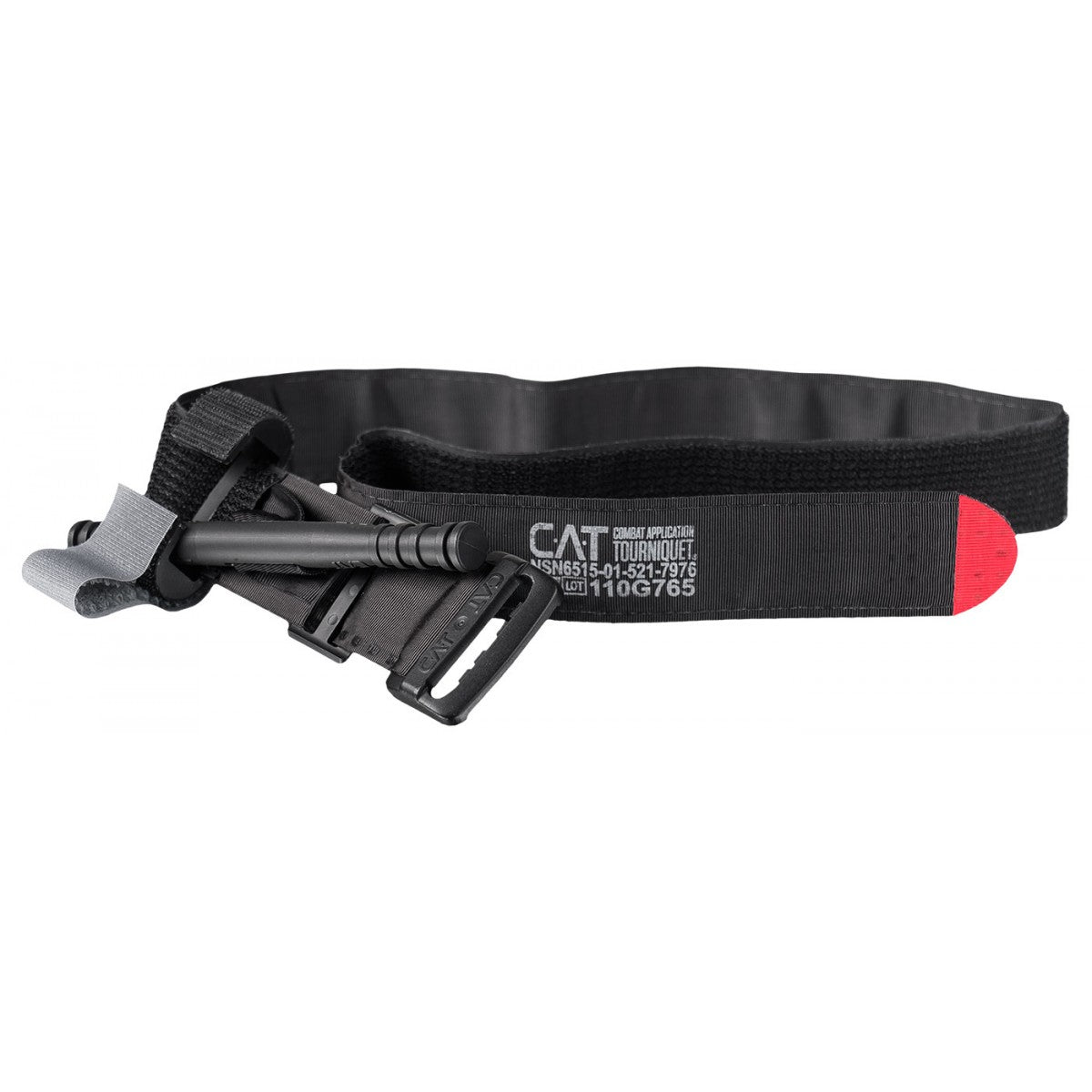
- Tourniquets: We check one-handed application with the item still in its pouch, confirm the windlass locks and stays locked, verify the strap feeds without binding, and record the time to apply on a training arm. A tourniquet that cannot be applied one-handed by the person wearing it fails the core requirement.
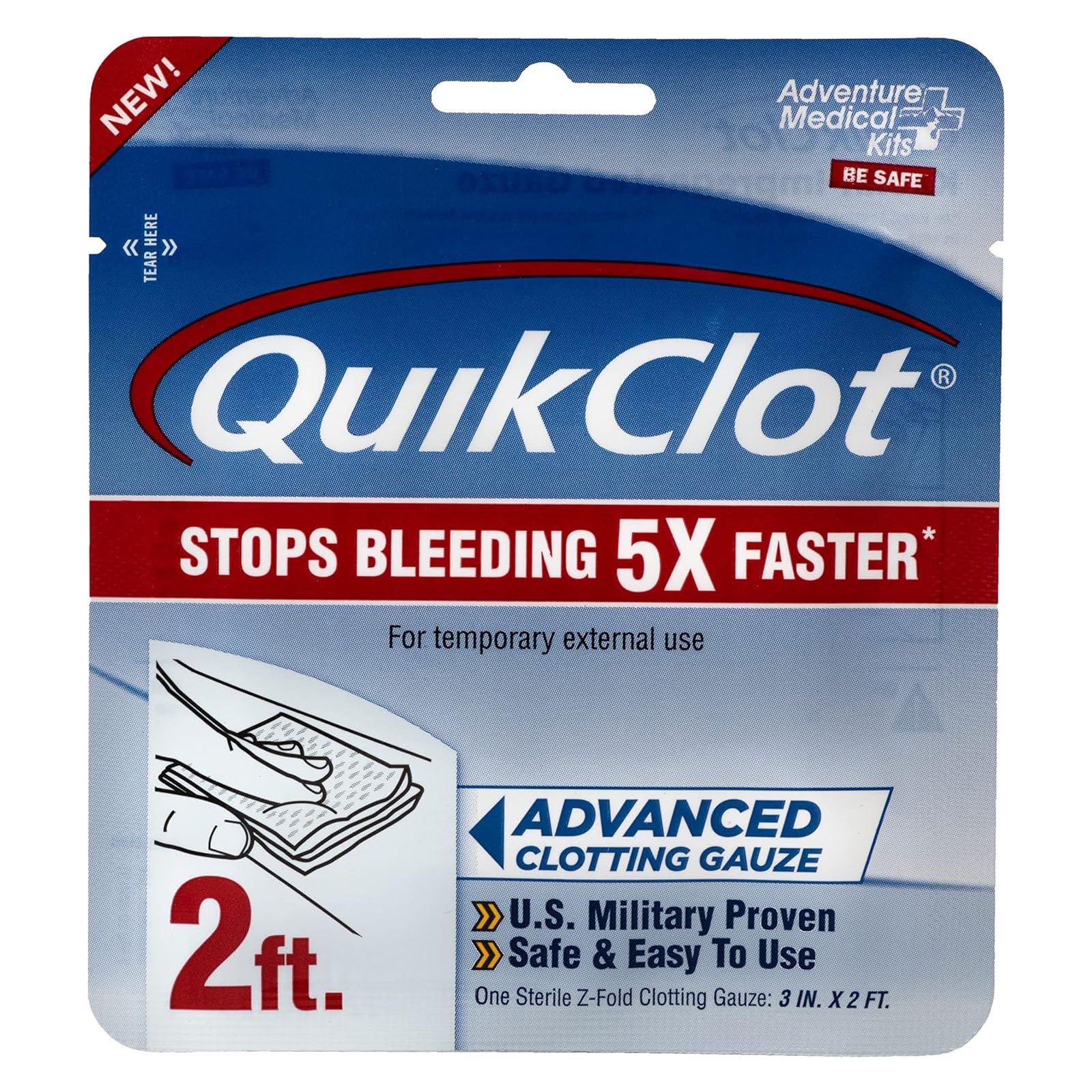
- Hemostatic gauze: We confirm the gauze is sterile, in date, and Z-folded so it can be packed without unrolling. We check that the hemostatic agent is stated on the package and that the length and width match the listing.
- Pressure dressings and bandages: We check that the dressing applies direct pressure without a separate applicator, that the closure holds under tension, and that the packaging opens without tearing the dressing.
- Chest seals: We confirm the seal is vented or non-vented as described, that the adhesive backing releases cleanly, and that the pack contains the number of seals stated. We check the expiry date and the sterility seal.
- Shears and airway tools: We check that shears cut trauma dressings and clothing without snagging, and that suction and airway items assemble without tools.
- Packaging and access: We time how long it takes to reach a tourniquet from a closed bag. A common pattern is that a well-stocked bag still fails the access test because the tourniquet sits under the airway pouch.
Verifying Authenticity and Standards
Labels such as professional-grade or military-grade are marketing terms, not regulated standards. We check what can actually be verified.
- Device provenance: We confirm the manufacturer name, model number, and lot code on the package, and we check that the item is sold through an authorized channel. Counterfeit tourniquets and hemostatic gauze are a known problem in online marketplaces, and a genuine item should carry a traceable lot code.
- Canadian medical device licensing: Health Canada’s Medical Devices Active Licence Listing can be used to verify an active licence for a Class II, III, or IV medical device. Class I devices do not require a product licence and are outside the scope of this listing. (Source: Health Canada’s Medical Devices Active Licence Listing)
- Expiry and sterility: We record the expiry date and confirm the sterility seal is intact. An item past its date is not counted as usable stock.
- Documented contents: We compare the listed contents and dimensions against the product description. Where a kit lists its components, we confirm they match what the buyer will open.
Independent laboratory testing is not part of this review. Where a manufacturer makes a clinical or performance claim, we report it as the manufacturer's claim and do not treat it as verified. What we can verify is contents, dates, provenance, packaging, and usability under realistic handling.
Watch out: a kit that lists a tourniquet but ships a generic windlass-style device instead of the named model is a common substitution, so confirm the model on the package before you rely on it.
Trauma Kit Contents: What Each Item Does and Why It Matters
A trauma kit is only as useful as its contents, and the contents only matter if the responder knows what each item is for. Most professional kits center on four areas: bleeding control, airway support, wound dressing, and assessment tools.
Bleeding control is the first priority in most trauma scenarios. Tourniquets and hemostatic gauze address severe external bleeding, and pressure dressings hold them in place. Airway items such as nasal airways and manual suction support a patient who is struggling to breathe. Dressings, gloves, and shears handle the wound itself. Splints and collars stabilize suspected fractures and spinal injuries.
The right mix depends on the user. A workplace kit for a plant needs broad coverage across all four areas, while a personal IFAK carries only the items a single responder can use alone. When you compare kits, check the contents list line by line rather than relying on the kit name.
Top Picks: Trauma Gear Reviewed Item by Item
Below we review the items in our catalogue by category. Each entry covers what the product is, where it fits, and the trade-offs to weigh before buying.
Hemorrhage Control: Tourniquets and Hemostatic Gauze
Severe bleeding is a leading cause of preventable death in trauma, and tourniquets and hemostatic gauze are the core tools for stopping it.
The Genuine Combat Application Tourniquet (C-A-T) is a one-handed tourniquet that the manufacturer describes as the official tourniquet of the U.S. Army. You can view its full specifications on its product page. Its one-handed operation matters because a responder may need to apply it to their own limb.
QuikClot Advanced Clotting Gauze 3" x 24" is a sterile Z-fold gauze impregnated with kaolin, a hemostatic agent. The product page lists its sizing and packaging details.
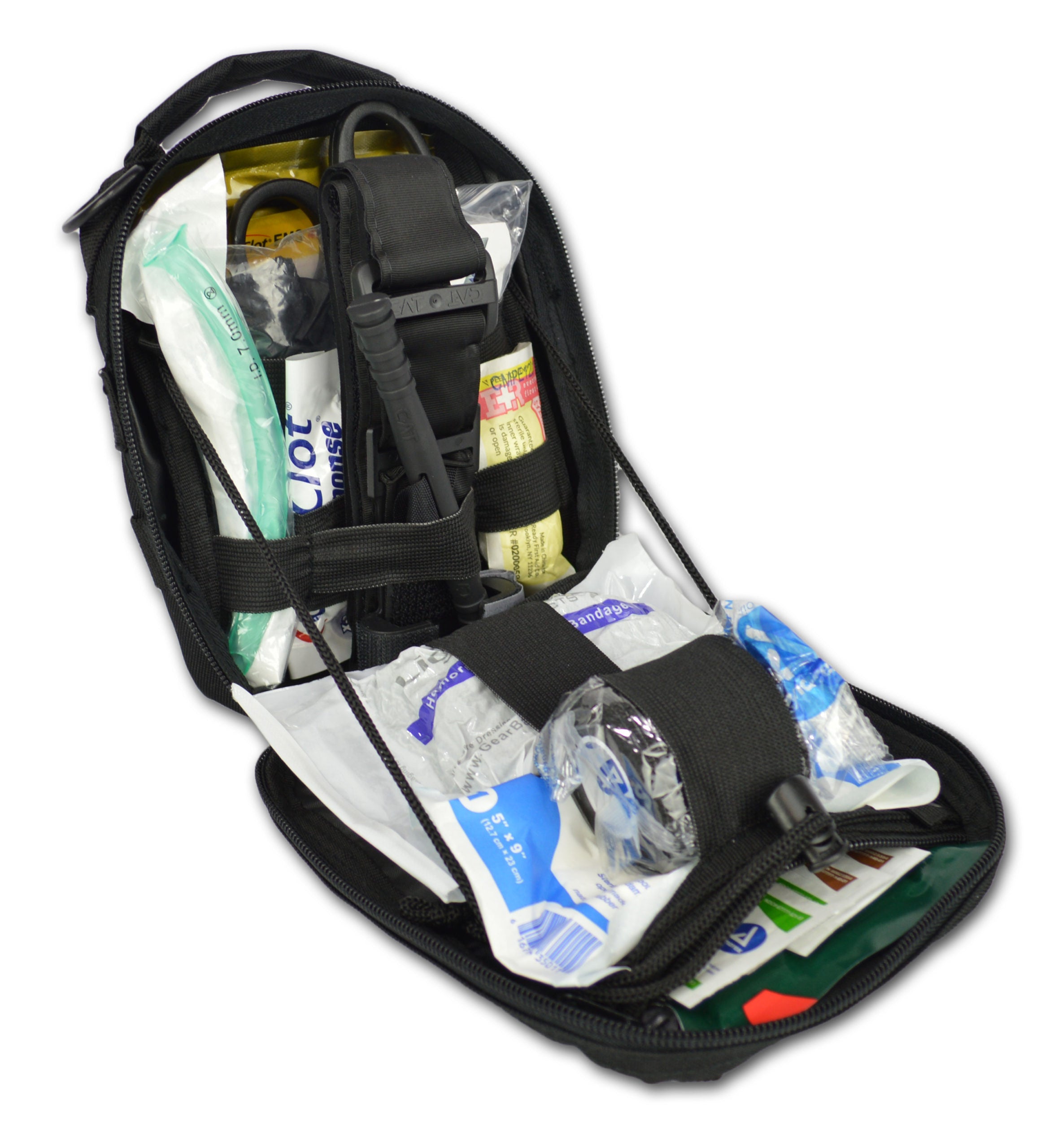
The LXPB15-SKP Premium Trauma IFAK Kit includes a tourniquet, an Israeli pressure bandage, and hemostatic gauze among its hemorrhage supplies. It is priced at $295.00 CAD and is designed for tactical and outdoor use.
Airway, Breathing and Suction Equipment
Airway and breathing problems can deteriorate quickly, so the tools to clear and protect the airway belong in every professional kit.
The Hyfin Chest Seal Twin provides two vented chest seals for penetrating chest injuries, with three-channel vents designed to let air escape the chest during exhalation. The pack is priced at $45.00 CAD. Best for: responders who regularly treat penetrating chest injuries. Skip if: you have no training in chest seal application.
The Rescuer Manual Suction Pump with 3M HEPA Filter is a one-hand manual suction device with a built-in HEPA filter and adult and child settings.
The Stifneck Select Collar offers four sizes in one adjustable unit, with a radiolucent design. It is priced at $26.00 CAD. Best for: spinal immobilization across a range of adult neck sizes. Skip if: you need a pediatric fit, since the Select line also includes a pediatric version that is sold separately.
Trauma Bag Organization and Choosing the Right First Aid Bag
The bag determines how fast a responder reaches a critical item. A bag with poor organization can cost seconds that matter, even when every item is present.
When choosing a bag, look for removable dividers, labelled or color-coded pouches, and an access layout that matches how your team works. The Kemp Tarpaulin Fluid-Resistant Large Professional Trauma Bag, priced at $390.00 CAD, features removable padded dividers, a pull-out kneeling pad, and a tuck-away backpack harness.
For responders who need a bag carried on the body, the LXPB15-SKP IFAK uses MOLLE webbing and a zippered compartment, and it is designed for one-handed access. Confirm the bag's dimensions against the space in your vehicle or equipment locker before you buy.
Check the bag's material as well. Fluid-resistant materials help when a bag is exposed to blood or moisture. A washable tarpaulin suits heavy daily use, while TPU offers a smoother surface that is easier to wipe down between calls.
Trauma Bag Organization for Fast Access Under Pressure
Organization matters most when a responder is under stress. A practical rule is to group supplies by the order in which they are needed: bleeding control first, then airway, then wound care.
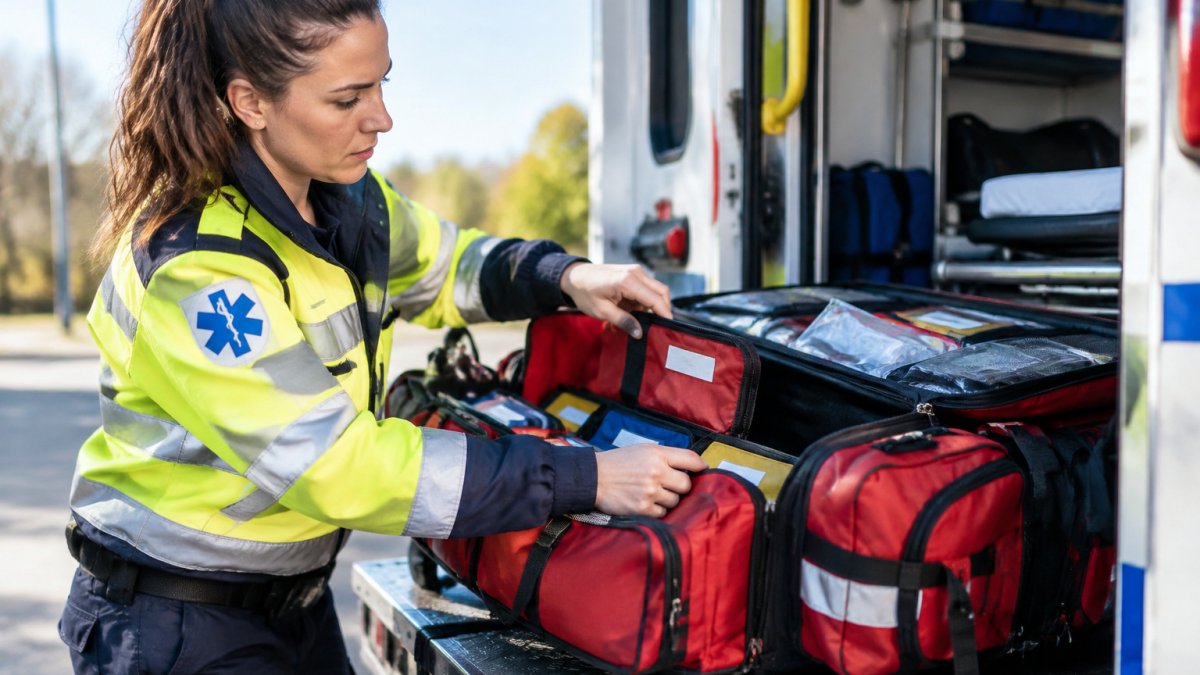
Label each pouch or compartment clearly, and keep the same layout in every bag your team uses. When a responder moves from one vehicle to another, the same layout means they can find a tourniquet without searching.
The Lightning X ALS Oxygen Backpack includes a top access pocket for the oxygen regulator. That design lets a responder adjust oxygen flow without fully opening the main compartment. We recommend a similar approach for any bag that carries oxygen or airway equipment.
Under pressure, people use what they have practiced with. Walk through the bag during training, and time how long it takes to reach a tourniquet from a closed bag.
Matching Trauma Gear to Your Team: Workplace, Fleet, EMS and Field Use
Different teams need different kits. A workplace first aid kit for a manufacturing plant differs from a fleet kit for a delivery vehicle, and both differ from a kit for an EMS unit or a remote construction crew.
In Canada, workplace first aid requirements vary by jurisdiction. When choosing a kit for your workplace, check the rules that apply to your site and consider the number of workers, the hazards they face, and how quickly professional medical help can reach them. (Source: Canadian Centre for Occupational Health and Safety’s workplace first aid guidance)
For a fleet, the priority is a compact kit that fits a vehicle and stays sealed in temperature changes. For remote sites, durability and resupply matter most, since help may be hours away. For fire and EMS teams, the emphasis shifts to oxygen, airway, and spinal support, carried in bags that can be cleaned between calls.
We advise buyers to start with four questions. Who will use the kit? Where will it be stored? What does the team already have? How will it be restocked after use? Answering these before you buy avoids paying for duplicate supplies.
Trauma Kit Inspection Checklist and Replacement Costs
A kit that is not inspected will fail when it is needed. Build a regular inspection routine and assign a named person to run it. Most product roundups stop at the purchase, but the ownership cost of a trauma kit is driven by inspection, expiration, and restocking, and that is where professional buyers get surprised.
Inspection Intervals and Storage Conditions
In Québec, the CNESST requires workplace first aid kits to meet the minimum contents of CSA Z1220. It recommends checking the kit after each use and replacing used supplies. Employers must also keep kit contents clean, complete, and in good condition, and replace expired items as needed. (Source: CNESST’s workplace first aid equipment guidance)
Set the interval by how the kit is used. A vehicle kit exposed to heat and cold should be checked monthly, a workplace kit quarterly, and a sealed reserve kit at least every six months. Store kits out of direct sunlight and away from freezing, because heat degrades hemostatic gauze and adhesives, and repeated freeze-thaw cycles can compromise seals. Keep a written log with the date, the inspector's name, and what was replaced.
Use this checklist at each inspection:
- Check expiry dates on gauze, dressings, chest seals, and any liquid supplies
- Confirm the tourniquet and hemostatic gauze are present and undamaged
- Verify the chest seals are sealed and within date
- Test the suction pump and check the HEPA filter condition
- Inspect the collar for cracks and confirm all sizes are present
- Confirm the oxygen cylinder pressure and regulator fit, if carried
- Check the bag for tears, broken zippers, and worn straps
- Record what was used and reorder the same day
Component-Level Replacement Costs
Kit price alone understates what a kit costs to own. The components that expire or get used are the ones you will rebuy, and they should be budgeted at setup, not after a call depletes the kit. Based on the listed prices of the items in this review, a tourniquet at $81.50 CAD, a chest seal pack at $45.00 CAD, and hemostatic gauze at $46.00 CAD can be restocked individually. A suction pump at $74.00 CAD and a collar at $26.00 CAD add further replacement cost if those items are used or damaged.
That figure matters when you compare kits. A $295.00 CAD IFAK that includes a tourniquet, a pressure bandage, and hemostatic gauze may cost less over two years than a cheaper kit that ships without those components, because you would buy them separately at the prices above. Ask suppliers whether replacement components are sold individually.
Expiration Tracking and Readiness
Track expiry dates by component, not by kit. Gauze, dressings, and chest seals carry dates that differ from the bag and the tourniquet, so a single kit-level date is not enough. A simple pattern is a label on the inside of the bag listing each dated component and its month and year, reviewed at every inspection. Rotate stock so the oldest in-date item is used first in training, and replace it before it expires.
Watch out: a kit that passes a visual check can still be unready if the tourniquet was removed for training and never returned, so count critical items against the contents list at every inspection, not just the dated supplies.
The article summarises the expiry and restocking prices a buyer should plan for.
Item |
Listed price (CAD) |
Note |
|---|---|---|
Genuine Combat Application Tourniquet (C-A-T) |
$81.50 |
Restock individually if used |
Hyfin Chest Seal Twin |
$45.00 |
Two vented seals per pack |
QuikClot Advanced Clotting Gauze |
$46.00 |
Check expiry; heat degrades it |
Rescuer Manual Suction Pump |
$74.00 |
Check HEPA filter condition |
Stifneck Select Adult Collar |
$26.00 |
Inspect for cracks |
LXPB15-SKP Premium Trauma IFAK Kit |
$295.00 |
Includes tourniquet, bandage, gauze |
Listed price (CAD)
Ordering Your Trauma Gear and Booking a Kit Review
Once you have chosen your items, confirm the exact model and a written list of what is included. Ask whether a kit ships filled or empty, and whether the oxygen cylinder is included or sold separately. Check warranty terms with the seller before you buy.
If you are unsure which combination fits your team, contact us to talk through your setup and needs. Start by sharing who will use the equipment, where it will be kept, and what you already have on hand.
Compare your options here: explore our full range of trauma gear to find the bag and supplies that match your team. For a full review of how to select a supplier, read our guide to choosing a trauma kit supplier.
Frequently Asked Questions
What should a professional trauma kit include?
A professional trauma kit should cover the core priorities of bleeding control, airway support, breathing management and wound care. Hemorrhage control items such as a tourniquet, hemostatic gauze and a pressure bandage come first, followed by chest seals, airway adjuncts, dressings, gloves and trauma shears. Check the contents list against your team's scope of training, and confirm each item's expiry date. The Servoxy LXPB15-SKP Premium Trauma IFAK Kit, priced at $295.00 CAD, is one example of a stocked kit built around these categories.
What is the difference between a first aid kit and a trauma kit?
A standard first aid kit handles minor injuries such as small cuts, burns and sprains, while a trauma kit is built for serious injuries involving significant bleeding, penetrating chest wounds or fractures. Trauma kits carry tourniquets, hemostatic gauze, chest seals and traction or immobilization devices that a general workplace kit often lacks. Choose a trauma kit when your team responds to severe injuries, and keep a basic first aid kit for everyday incidents.
What should I look for in a professional first aid bag?
Look for fluid-resistant, wipeable materials, reinforced stitching, a clear internal layout and carry options that suit your team. Removable padded dividers and labelled pouches help responders find supplies quickly. The Lightning X LXMB60-TPU Fluid-Resistant ALS Oxygen Backpack, at $582.00 CAD, uses wipe-clean TPU and accommodates a D or Jumbo D oxygen cylinder, which suits teams that carry oxygen. Confirm the bag's dimensions and weight before assigning it to a vehicle or crew member.
How often should a trauma kit be inspected and restocked?
Inspect trauma kits at least monthly and after every use. Check seals, expiry dates, the condition of tourniquets and gauze packaging, and whether any items are missing from the contents list. Replace used or expired items promptly, and record each inspection so you can show a review history. Plan a yearly full audit of the kit contents against your site or fleet requirements.
